-
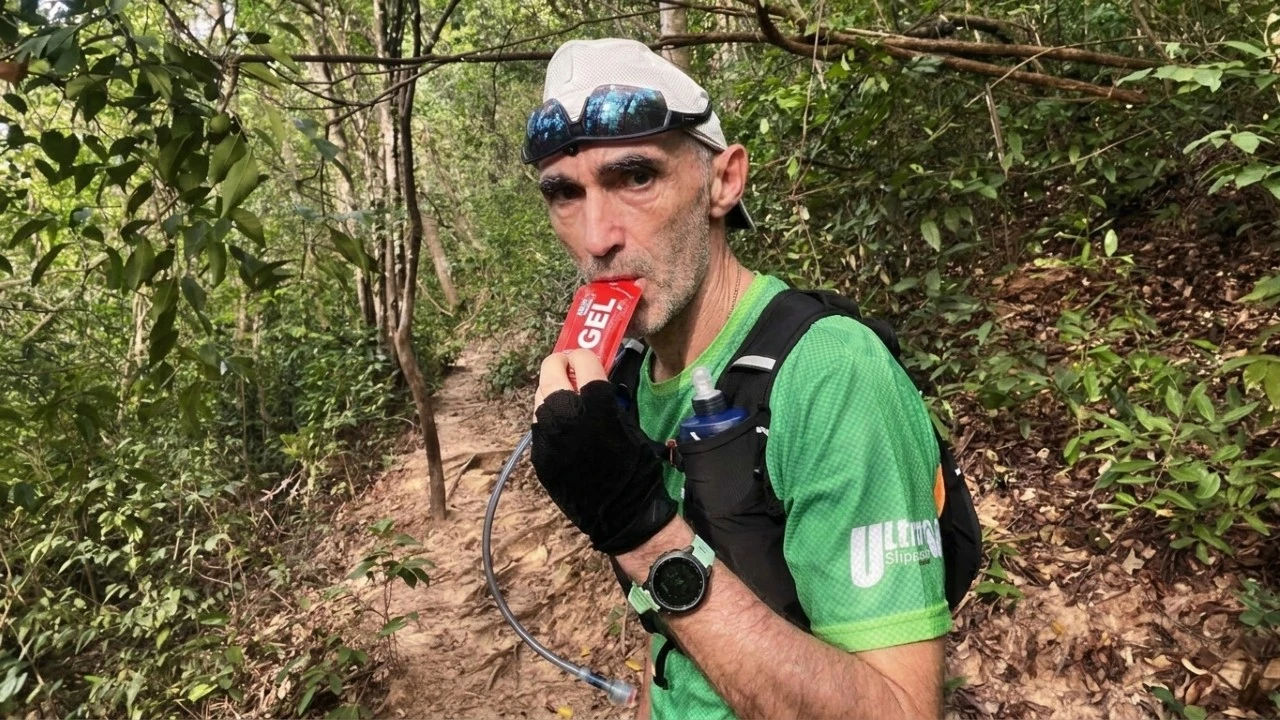
Gut Training For Ultrarunners
Fuel in your pack is useless if you don’t want to eat it or can’t digest it. Optimize your ultramarathon fueling. Learn how gut training improves carbohydrate tolerance and minimizes GI issues. Confidently execute your ultramarathon fueling plan with a personalized strategy.
-

The Repeated Bout Effect: A Key Mechanism for Durability
Have you ever had your quads fail in a mountainous trail ultra? Downhill running can be highly damaging to the quads because it places high eccentric stress on the legs. Repeated downhill exposure can make your legs more resilient and better prepared for race day. The repeated bout effect is…
-
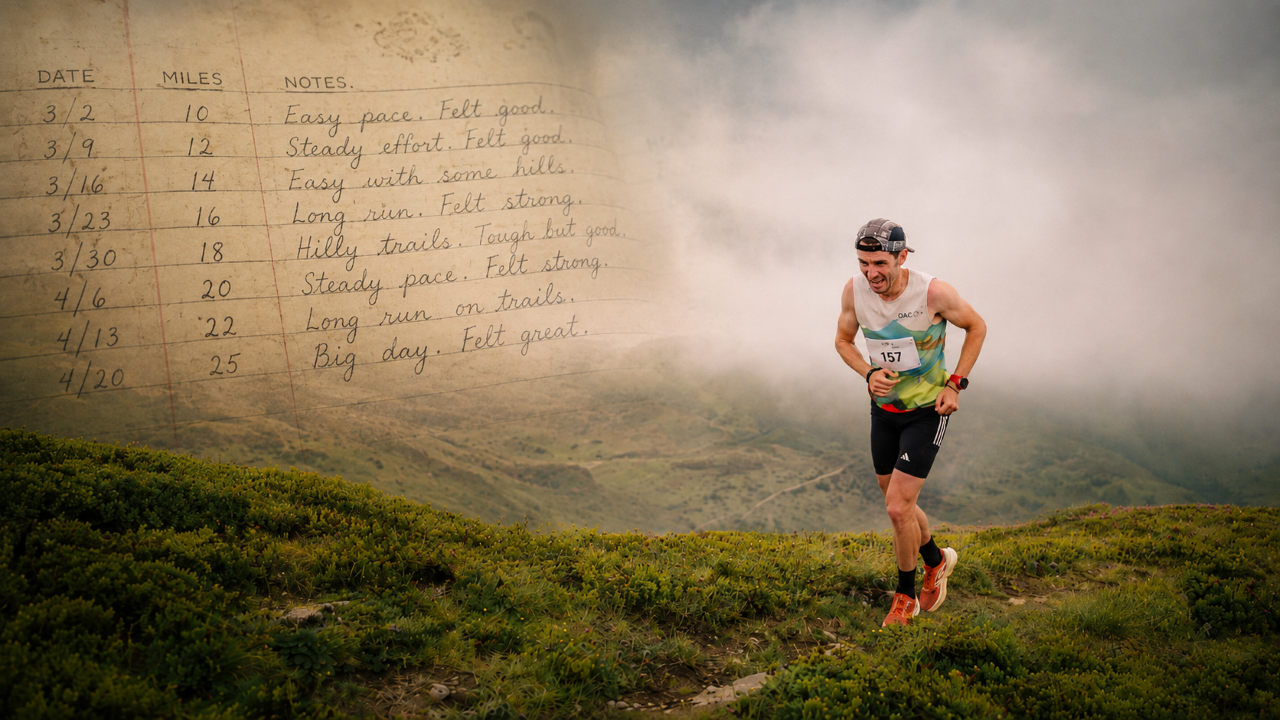
Where Ultrarunning’s Mileage Obsession Comes From
Why do ultrarunners focus so much on weekly mileage and the length of the long run? A look at the origins of that thinking, the evolution of ultra training, and why mileage should be only one piece of a diverse training picture.
-

Can You Run Too Many Miles?
Can you run too many miles? Absolutely, but the number varies for every runner. Mileage is a crucial training stimulus, particularly for marathon and ultramarathon training, but it must remain within individual limits. Optimal mileage isn’t an arbitrary number; it’s the amount your body can consistently absorb, adapt to, and…
-

How to Train Durability for Trail Ultras
Struggling to maintain performance in trail ultras? Learn how to train durability for trail ultras using proven strategies such as long runs, back-to-back training, fatigue stacking, strength work, downhill conditioning, fueling, heat adaptation, and pacing. Discover how to resist fatigue and perform stronger deep into an ultramarathon.
-

Strides for Trail Runners: Speed Without the Fatigue
Most trail and ultrarunners spend the majority of their training at low intensity. That’s necessary—but it comes with a trade-off: you gradually lose your ability to run fast efficiently. Trail runners shouldn’t neglect speed, as racing often presents moments where having that extra gear is essential. This is where strides…